
Oman
Oman is one of the most ancient and distinctive sultanates of the Arabian Peninsula — a maritime nation whose 19th-century empire extended across Zanzibar, parts of coastal East Africa, and far into the Indian Ocean trade networks. Oman practices Ibadi Islam — a branch older than both Sunni and Shia, considered historically more moderate and tolerant, which has shaped Oman's famously peaceful diplomacy in a volatile region. Samuel Zwemer, the father of modern Arab missions, made Oman and the Gulf his first mission field in the 1890s, establishing medical clinics, distributing Scripture, and praying for an Omani church he never lived to see. The current Sultan Haitham has continued the tradition of his predecessor Qaboos: carefully neutral in regional conflicts, and more open than most Gulf states to foreign presence — though conversion from Islam remains effectively forbidden for Omanis.
5,495,000
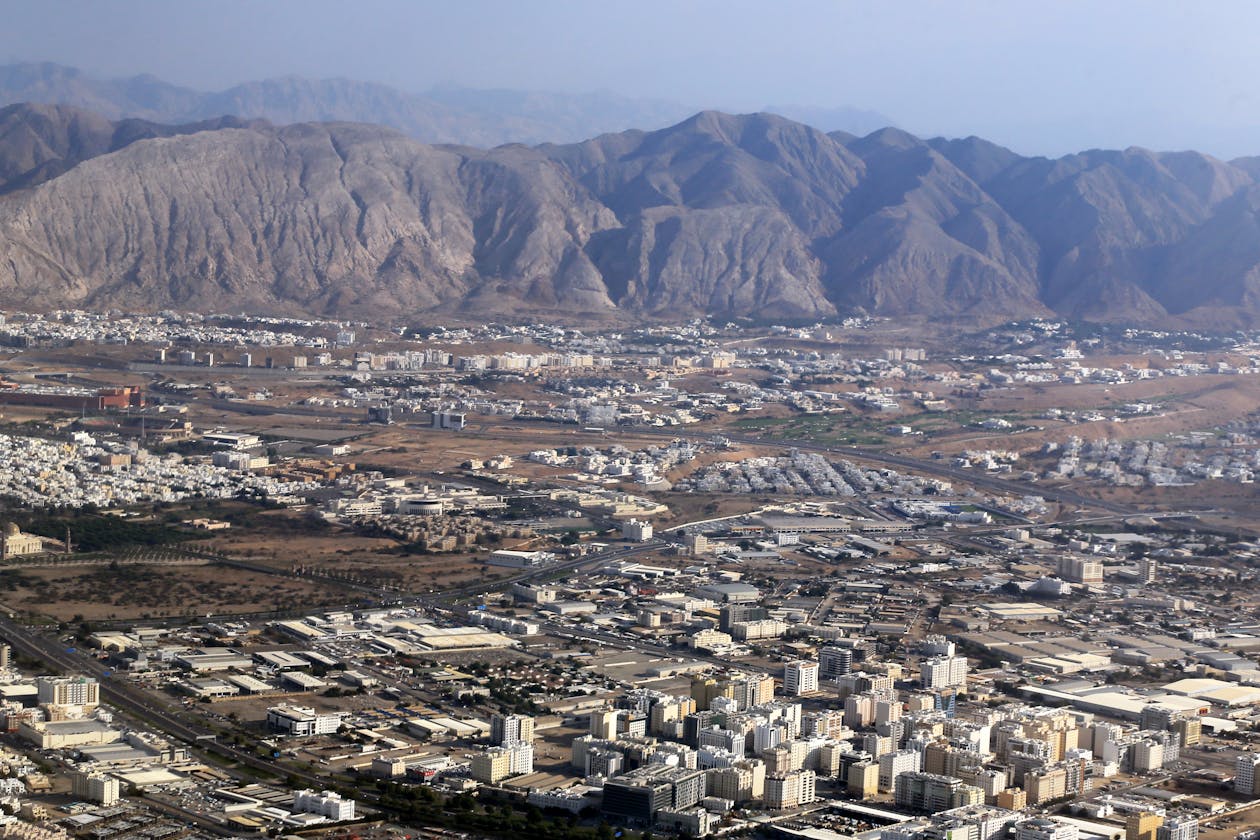
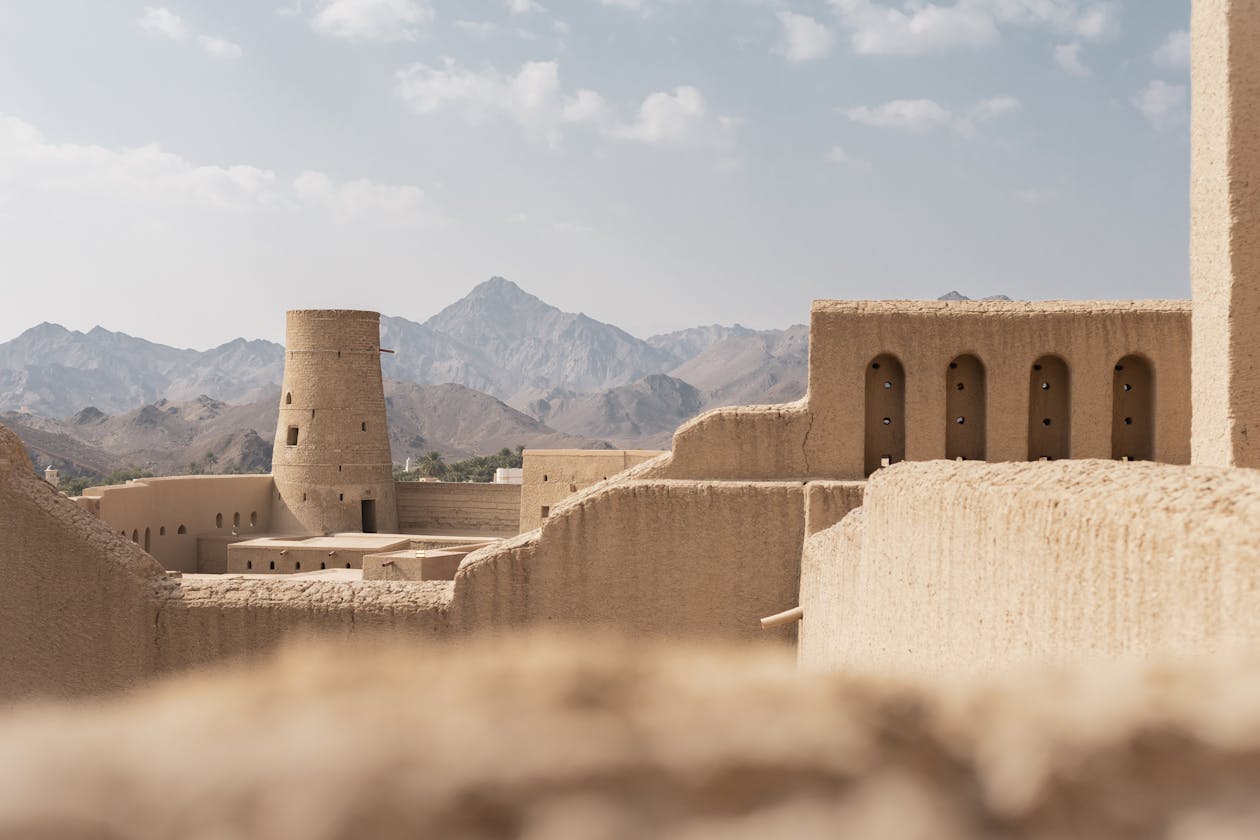
People live in Oman today in one of the Gulf's most beautiful and least-evangelized countries — dramatic mountain wadis, ancient forts, a lush frankincense-producing south, and a culture of extraordinary hospitality. Expatriate Christians can worship with relative freedom, but Omanis themselves are almost entirely sealed from the gospel. Ibadi Islam's theological independence — neither Sunni nor Shia — sometimes makes Omanis more curious and open to spiritual conversation than their Gulf neighbors. The church that Zwemer prayed for a century ago has barely materialized among Omanis; yet his prayers remain, and God is the God who answers prayers across generations.
Prayer points

Walking the Wadis
Oman's famous wadis — the river canyons that cut through the Hajar Mountains, full of palm trees and emerald pools — draw visitors from across the world. Pray for Christian tourists, expats, and workers to be intentional in their encounters with Omanis — for brief conversations on hiking trails, in souks, and in homes to become seeds of the gospel. Ask God for Omani believers, who have paid the real cost of following Jesus in their context, to be connected, equipped, and multiplied. "Let your light shine before others, that they may see your good deeds and glorify your Father in heaven." (Matthew 5:16)
The Legacy of Samuel Zwemer
Samuel Zwemer made Oman his first mission field in the 1890s — planting seeds through medical work, Scripture distribution, and friendship, even as he buried two young daughters in the Gulf heat. He prayed for an Omani church that never came in his lifetime. Those prayers are not lost. Pray for Zwemer's intercession to finally bear fruit — for Omanis to come to faith in numbers, and for a native Omani church to emerge from what has been more than a century of costly, patient labor. "He who goes out weeping, carrying seed to sow, will return with songs of joy, carrying sheaves with him." (Psalm 126:6)

Among the Frankincense Trees
Oman's Dhofar region is the ancient homeland of frankincense — the sacred incense that marked worship across the ancient world and was carried to the infant Jesus by the Magi, themselves from Arabia. The Magi, like the Omanis, were people of the East who sought a king and found him. And the Magi, Scripture tells us, were themselves warned by God in a dream. Pray for the descendants of those who harvested the incense of worship to receive the same divine visit — Jesus appearing in dreams and visions, calling the people of frankincense's homeland to worship the One it always pointed toward. "And having been warned in a dream not to go back to Herod, they returned to their country by another route." (Matthew 2:12)